

Have you ever wondered how small packets of powder can revolutionize product safety and convenience? What are sachets, and why are they becoming increasingly crucial in modern packaging solutions?
Sachets are single-use pouches designed to deliver precise product quantities while ensuring maximum consumer protection. These innovative containers represent a critical advancement in packaging technology, providing both convenience and security across multiple industries. What are sachets truly capable of in protecting consumer interests?
Understanding what are sachets begins with recognizing their versatility. From pharmaceutical products to food supplements, these small packets of powder offer a sealed, tamper-evident solution that guarantees product integrity from manufacturer to consumer.
Wintech Package, a leader in packaging innovation, emphasizes the critical role of tamper-evident features in sachet design. Their approach ensures that consumers can trust the safety and quality of packaged products through visible protective mechanisms.
Key Takeaways of What are Sachets
- Sachets provide precise, single-use product delivery
- Tamper-evident packaging enhances consumer safety
- Small packets of powder offer convenient product distribution
- Sachet design protects product quality and integrity
- Packaging innovations continue to improve consumer trust
Understanding What Are Sachets
Sachets are small, sealed packets designed to contain and protect various products, ranging from condiments to medicines and cosmetics. These compact containers have revolutionized packaging across multiple industries, offering convenience, portability, and precise product distribution.
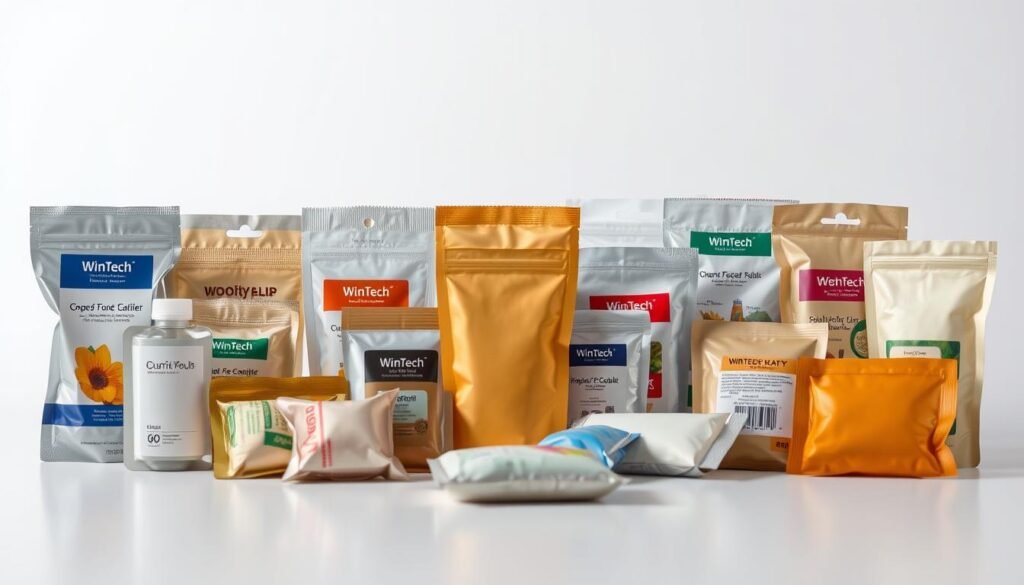
What are sachets? At their core, sachets are single-use packages that provide a hygienic and efficient way to store and distribute small quantities of products. They come in various materials and designs, each tailored to specific use cases.
Defining Sachet Varieties
Different types of sachets serve unique purposes across various sectors:
- Condiment sachets: Perfect for restaurants, takeout, and food service industries
- Medicine sachets: Ensure precise dosage and maintain pharmaceutical integrity
- Cosmetic sachets: Offer single-use beauty product samples and travel-friendly options
Materials Used in Sachet Production
Manufacturers carefully select materials for sachets based on their intended use. Common materials include:
| Material Type | Key Characteristics | Primary Applications |
|---|---|---|
| Aluminum Foil | Moisture-resistant, lightweight | Medicine, food products |
| Plastic Polymers | Flexible, cost-effective | Condiments, cosmetics |
| Biodegradable Materials | Eco-friendly, sustainable | Emerging market solutions |
Common Applications of Sachets
The versatility of sachets makes them invaluable across multiple industries. From single-serve coffee packets to medical sample distributions, these small packages provide precise, contamination-free product delivery.
The global tamper-evident packaging market is projected to grow from USD 2.34 billion in 2025 to USD 4.76 billion by 2034, highlighting the increasing importance of secure, convenient packaging solutions.
Understanding what are sachets goes beyond simple packaging – they represent a critical innovation in product distribution, offering consumers convenience, safety, and precise product consumption across numerous sectors.
The Importance of Tamper-Evident Features in Sachets
Sachets have become a critical packaging solution across multiple industries, offering unique safety features that protect product integrity. Understanding what are sachets goes beyond simple packaging – they represent a sophisticated approach to consumer protection and product preservation.
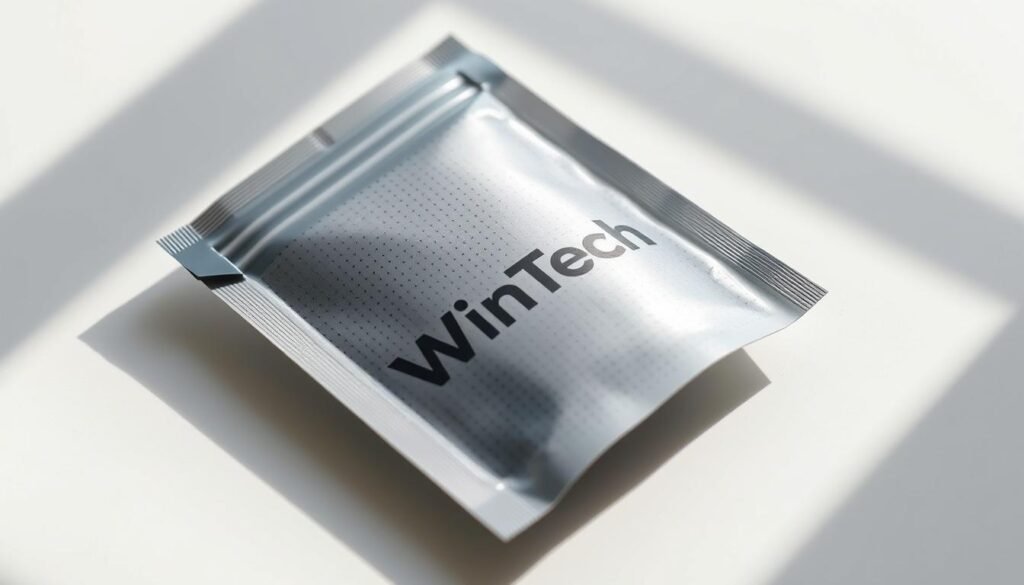
When comparing sachets vs packets, sachets stand out for their advanced security mechanisms. These small, sealed containers provide multiple layers of protection that traditional packaging often lacks.
Enhancing Consumer Safety with Sachets
Consumer safety remains paramount in product packaging design. Sachets offer several key protective features:
- Hermetic sealing prevents external contamination
- Single-use design reduces cross-contamination risks
- Precise portion control minimizes handling
Regulatory Standards for Sachets
The FDA establishes rigorous standards for sachets used in food, pharmaceutical, and cosmetic industries. These regulations ensure that sachets meet strict safety requirements, protecting consumers from potential health risks.
Design Considerations for Secure Sachets
Creating secure sachets involves multiple strategic considerations:
- Material selection for barrier protection
- Tamper-evident seal technologies
- Moisture and oxygen resistance
Tea sachets represent an excellent example of secure packaging design. They combine material innovation with precise engineering to deliver both safety and convenience.
Sachets are not just containers – they are guardians of product quality and consumer health.
By prioritizing tamper-evident features, manufacturers can build consumer trust and ensure product safety across various applications.
Innovations in Sachet Design and Functionality
As the packaging industry evolves, sachets are transforming to meet consumer demands for sustainability and advanced protection. What are sachets in today’s market? They’re no longer just simple containers but sophisticated solutions that blend technology, environmental consciousness, and user experience.
Eco-friendly innovations are driving significant changes in sachet development. Biodegradable sachets are gaining traction, especially in the United States, where environmental awareness continues to grow. Companies like Wintech Package are pioneering materials that break down naturally, reducing plastic waste while maintaining the integrity of sugar sachets and other packaged products.
Smart Technology Integration
Smart packaging represents the next frontier in sachet design. Embedded sensors can now detect potential tampering, providing real-time security for consumers. These technological advancements transform simple packaging into intelligent systems that protect product quality and ensure user safety.
Future Trends
Looking ahead, sachet technology will likely focus on three key areas: sustainability, digital connectivity, and enhanced user protection. You can expect to see more biodegradable options, integrated QR codes for product tracking, and advanced materials that respond to environmental conditions. The future of sachets is not just about containing products but creating holistic, interactive packaging experiences.